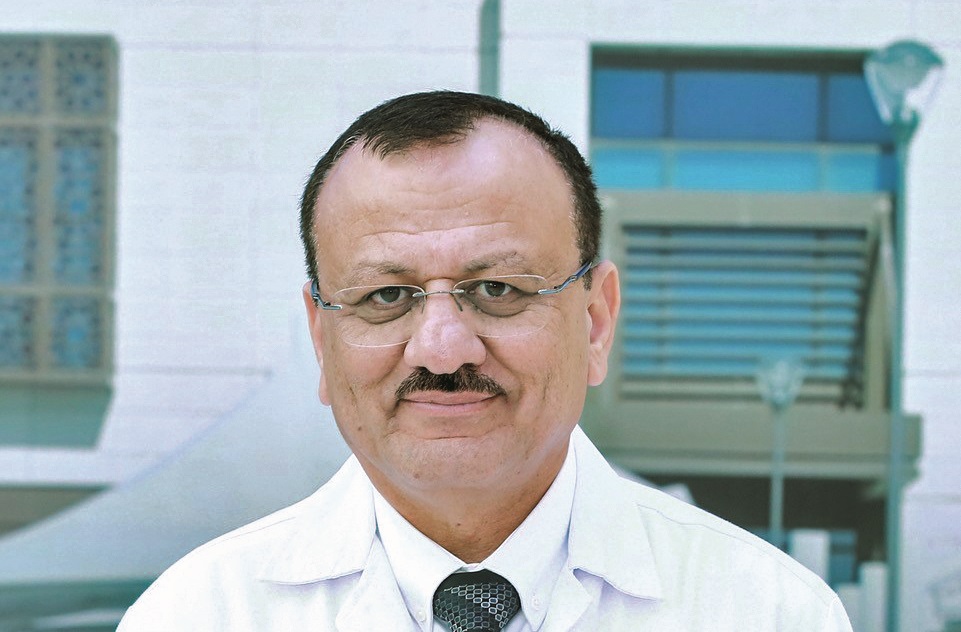
Dr. Mohammad Al Otaibi: Combating Diabetes Begins with Awareness and a Healthy Lifestyle
Every year on 14 November, the world marks World Diabetes Day, an international occasion dedicated to raising awareness about diabetes, its causes, its complications, and the importance of prevention, early detection, and empowering patients to manage the disease and avoid its impact. This observance comes at a time when global prevalence continues to rise, with more than 540 million people currently living with diabetes. The number is expected to surpass 643 million by 2030, and approach 800 million by 2045 unless effective preventive measures are adopted.
A Modern Epidemic with Growing Challenges
Dr. Mohammad Al Otaibi, Senior Consultant Family Medicine at Leabaib Health Center at the Primary Health Care Corporation (PHCC), describes diabetes as one of the most significant and widespread noncommunicable diseases affecting modern societies, impacting one in every ten people worldwide.
He adds that diabetes faces several intertwined challenges, most notably its rising prevalence due to unhealthy lifestyle habits such as physical inactivity, poor dietary choices, widespread obesity, and mantal stress. Diabetes currently has no complete cure, and if not properly controlled, it may lead to serious complications affecting the heart, blood vessels, kidneys, eyes, and limbs, in addition to weakening the immune system and increasing the risk of certain cancers.
Lack of Clear Symptoms
Another major challenge is that nearly half of individuals with diabetes are unaware they have it, due to the absence of noticeable symptoms. This often leads to delayed diagnosis until complications begin to appear. Dr. Al Otaibi stresses that controlling diabetes requires awareness and long-term commitment from the patient, through lifestyle modification and consistent medical follow-up.
Prevention… the First Step
Doctors believe that prevention remains the most effective strategy in the fight against diabetes. Adopting a healthy lifestyle can significantly reduce the risk of developing the disease or delay its onset. Key prevention practices include engaging in regular physical activity, at least 150 minutes per week, following a balanced diet rich in vegetables and fruits, while avoiding fatty foods and fast food, maintaining a healthy weight, and avoiding smoking.
They also recommend regular screening, especially for individuals with a family history or risk factors, as early diagnosis is crucial for managing diabetes and preventing complications.
A Model for Prevention and Care
Qatar places strong emphasis on diabetes awareness and prevention as part of its national health strategies aimed at enhancing community health and reducing chronic diseases. The Ministry of Public Health implements comprehensive programs targeting risk factors such as obesity and physical inactivity by promoting healthy lifestyles, creating supportive environments for activity and movement, and ensuring high-quality healthcare services for all.
The country follows an integrated approach that brings together the health sector, educational institutions, community organizations, and health education programs to ensure that awareness messages reach all segments of society.
The Role of PHCC
PHCC plays a central role in combating diabetes through its extensive network of health centers across the country. These centers serve as the first point of contact for early detection, follow-up, and treatment.
The Corporation has prioritized prevention and education by establishing wellness centers to promote physical activity, healthy lifestyle clinics led by specialized physicians and health educators, dietetic and health education clinics that support clients in adopting sustainable preventive behaviors
PHCC also provides periodic screening clinics that proactively reach out to the public to encourage regular check-ups for early diagnosis. Additionally, PHCC offers advanced treatment services overseen by highly qualified physicians and consultants following international best-practice guidelines.
Through the Family Medicine Model, patients receive continuous follow-up with a dedicated physician and care team to ensure comprehensive, coordinated care. In addition to providing allied health services that cover optometry clinics for regular retinal screening, dental clinics, and monitoring of blood pressure and cholesterol—essential factors for diabetes control.
The Corporation has also made modern treatments and monitoring technologies readily available, along with nursing and medical teams that conduct home visits to elderly patients. PHCC coordinates closely with Hamad Medical Corporation to refer cases requiring specialized care.
A Collective Responsibility
Dr. Al Otaibi concludes by emphasizing that addressing diabetes requires a community-wide effort—starting with individual awareness and extending to health, media, educational, and sports institutions, all of which play a vital role in promoting healthy living.
Managing diabetes is not solely dependent on medication, he notes, but on the patient’s determination to monitor their condition and maintain a balanced, sustainable lifestyle.
On this World Diabetes Day, the message remains clear:
Prevention begins with one step, early detection saves lives, and personal commitment is a responsibility that protects society from one of the most pressing diseases of our time.